
Breaking down on a busy London motorway is one of the most stressful driving experiences. Fast-moving traffic, limited stopping areas, and strict road safety rules mean help must arrive quickly — and in a very controlled way. This is where roadside assistance London services play a critical role in keeping drivers safe and traffic moving.
According to National Highways and Transport for London (TfL), motorway incidents account for over 30% of severe traffic disruption in Greater London, even though they represent a smaller proportion of total breakdowns. Understanding how emergency roadside assistance operates on busy motorways helps drivers know what to expect and how to respond calmly and safely.
This guide explains the step-by-step process of motorway roadside assistance in London, supported by verified UK transport data, emergency response frameworks, and industry research.
Why Motorway Roadside Assistance Is Different in London
Motorways and high-speed roads in and around London — such as the M25, M1, M4, and A406 — are governed by stricter safety rules than standard urban roads.
According to National Highways, vehicles stopping on motorways face:
- Higher risk of secondary collisions
- Reduced reaction time for approaching drivers
- Greater congestion impact
This is why roadside assistance London providers must follow regulated motorway response procedures rather than standard roadside repair methods.
Step 1: Breakdown Occurs and Immediate Safety Actions
What drivers should do first
When a vehicle breaks down on a motorway:
- Move to the hard shoulder if possible
- Exit the vehicle via the left side
- Stand behind the safety barrier
- Switch on hazard lights
According to National Highways, remaining inside a broken-down vehicle on a motorway increases injury risk by over 20%.
Modern emergency roadside assistance protocols prioritise driver safety before any mechanical assessment begins.
Step 2: Emergency Call and Incident Logging
How assistance is requested
Drivers can request help via:
- Emergency roadside phones
- Mobile phones
- In-car emergency systems
According to TfL and National Highways, calls are logged into a central traffic management system, allowing:
- Incident severity assessment
- Appropriate resource allocation
- Faster response coordination
Accurate location details reduce response times by up to 25%, making this stage critical.
Step 3: Traffic Officer and Emergency Service Coordination
Why coordination is essential
On busy London motorways, roadside assistance rarely operates alone.
According to National Highways, over 65% of motorway breakdowns involve coordination with:
- Traffic Officers
- Police
- Emergency services (in high-risk cases)
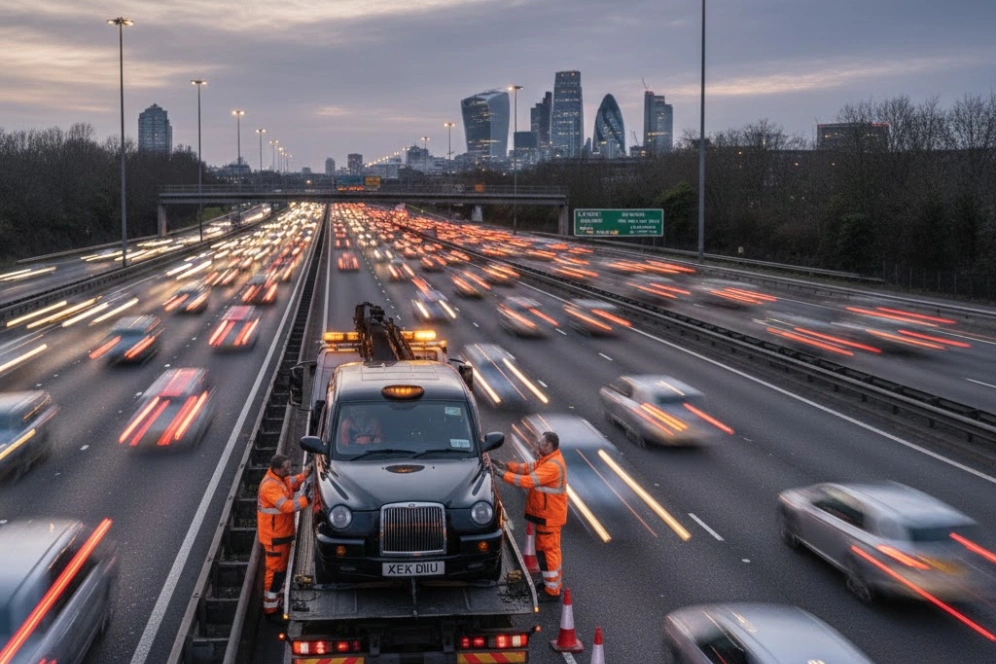
Traffic Officers often arrive first to protect the scene using marked vehicles, cones, and lane management.

Step 4: Lane Management and Safety Buffer Creation
How traffic is controlled
Before recovery or repairs begin:
- Lanes may be closed temporarily
- Speed limits are reduced
- Warning signs are activated
The Traffic Incident Management Framework shows that proper lane control reduces secondary accidents by over 50%.
This is especially important on London’s orbital routes, where traffic density is among the highest in Europe.
Step 5: On-Scene Vehicle Assessment
What roadside assistance teams check
Once the area is safe, trained technicians assess:
- Whether the issue can be fixed roadside
- Vehicle drivability
- Risk of further damage
According to RAC data, approximately:
- 60% of motorway breakdowns require vehicle recovery rather than repair
- Only 40% can be resolved safely at the roadside
Motorway roadside assistance prioritises rapid clearance, not extended repair work.
Step 6: Decision – Repair, Recover, or Remove Immediately
How decisions are made
Based on safety and traffic impact:
- Minor issues may be resolved quickly
- Most vehicles are recovered to a safe location
According to National Highways, vehicles left on the hard shoulder for extended periods increase congestion impact by up to 4 minutes per minute of lane obstruction.
This is why roadside assistance London services focus on swift vehicle removal.
Step 7: Vehicle Recovery Using Specialist Equipment
Why specialist recovery is required
Motorway recovery often involves:
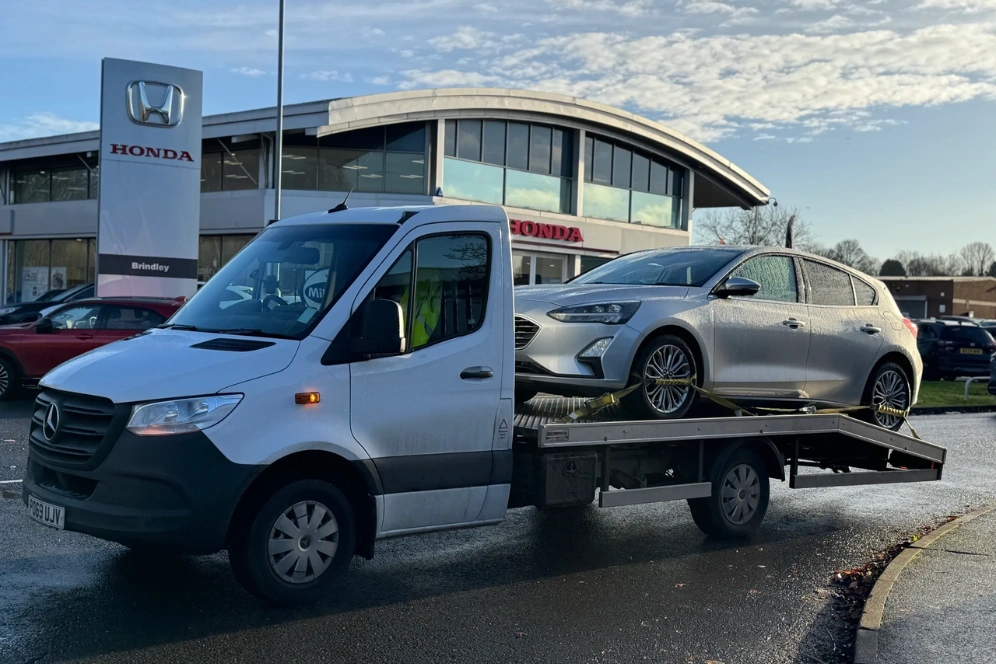
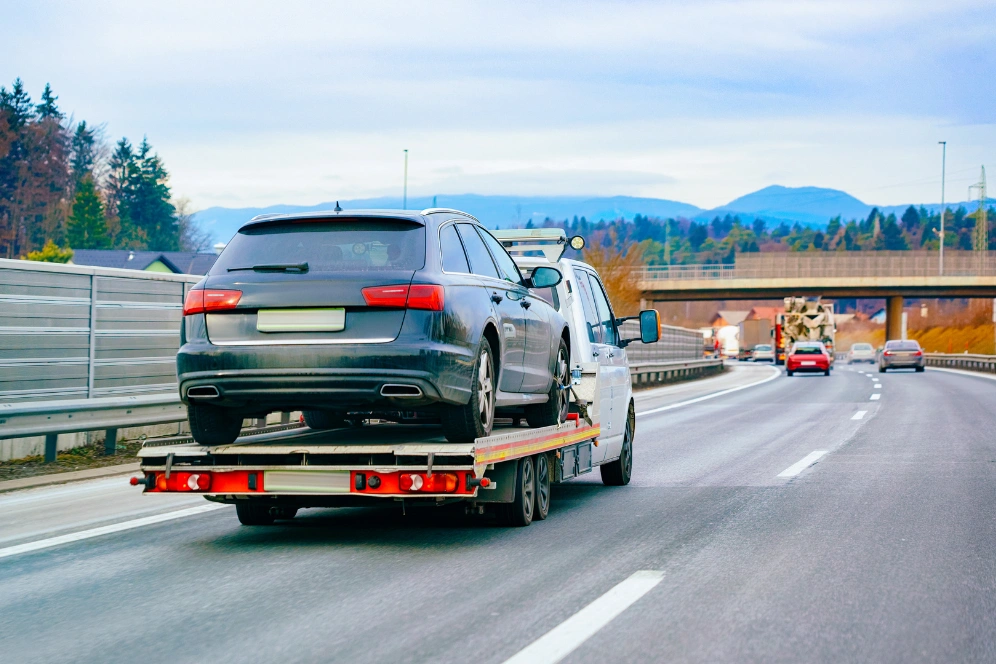
- Flatbed recovery vehicles
- Rapid-load towing systems
- Low-clearance equipment
According to BCIS transport services data, motorway recovery vehicles cost 30–45% more to operate due to safety equipment and specialist training.
This ensures damaged or immobile vehicles are removed without creating additional hazards.


Step 8: Safe Relocation Off the Motorway Network
Where vehicles are taken
Recovered vehicles are usually moved to:
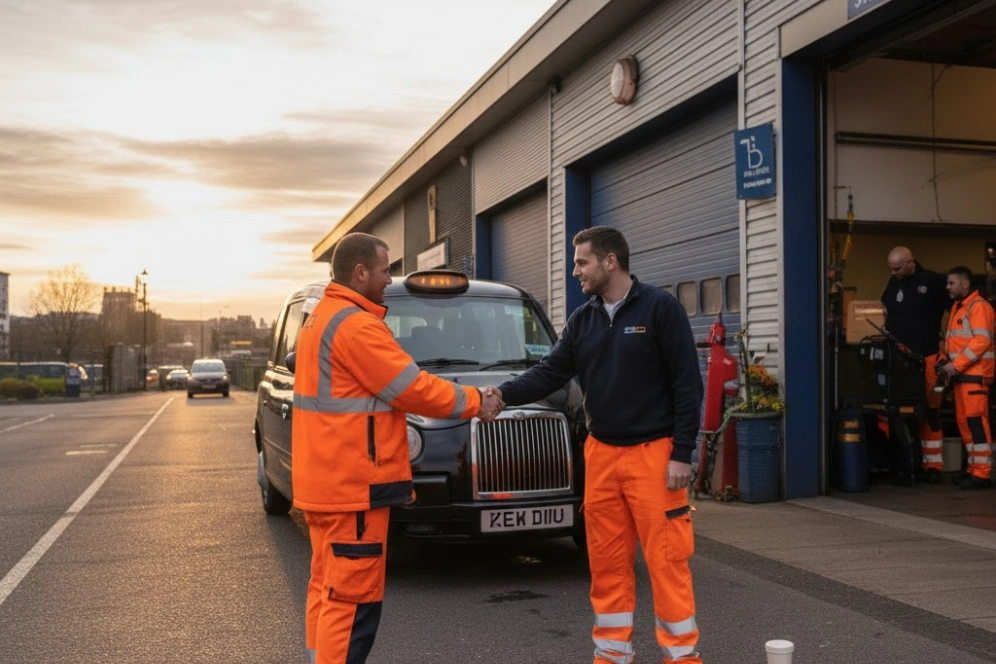
- A nearby service area
- A recovery compound
- A pre-agreed repair facility
National Highways policy requires vehicles to be removed off the motorway network as quickly as possible to restore traffic flow.
Why Emergency Roadside Assistance Costs More on Motorways
According to AA and Checkatrade UK data, motorway roadside assistance can cost:
- 30–50% more than urban roadside assistance
- 50–100% more if recovery is required
Key cost drivers include:
- Traffic management requirements
- Specialist vehicles
- Higher risk working conditions
- Out-of-hours call-outs
Understanding these factors helps drivers avoid confusion when receiving quotes.
London-Specific Challenges for Motorway Roadside Assistance
London presents unique operational challenges:
- Extreme congestion levels
- Smart motorway systems
- Limited hard shoulder access
- High enforcement presence
According to TfL, London drivers lose an average of 156 hours per year to congestion — the highest in the UK — making fast motorway clearance essential.
How Drivers Can Help Speed Up Assistance
Drivers can reduce risk and delay by:
- Providing accurate location details
- Following safety guidance
- Leaving the vehicle promptly
- Cooperating with Traffic Officers
National Highways reports that compliant driver behaviour reduces response delays by up to 20%.
Safety and Speed Are the Priority
Motorway breakdowns in London are treated as high-risk incidents. Every step — from the first call to final recovery — is designed to protect lives and minimise traffic disruption.
Understanding how roadside assistance in London works on busy motorways helps drivers remain calm, make safer decisions, and know what to expect during a stressful situation.
When emergencies happen, professional emergency roadside assistance ensures help arrives quickly, safely, and in line with strict motorway protocols.
Faq
Frequently Asked Questions
1. What should I do if my car breaks down on a London motorway?
Move to the hard shoulder if possible, exit the vehicle from the left side, stand behind the barrier, and call roadside assistance London immediately. National Highways advises staying out of the vehicle for safety.
2. How quickly does roadside assistance respond on busy motorways?
Response times depend on traffic and road type, but motorway incidents are prioritised. National Highways data shows coordinated response can reduce clearance time by up to 30%.
3. Is motorway roadside assistance different from normal roadside help?
Yes. Motorway breakdowns involve higher speeds, lane management, and Traffic Officer coordination. As a result, emergency roadside assistance follows stricter safety and clearance procedures.
4. Can my car be repaired on the motorway?
In most cases, no. RAC data shows around 60% of motorway breakdowns require recovery, as extended roadside repairs increase safety risks and congestion.
5. Why are motorway roadside assistance costs higher?
Motorway assistance often costs 30–50% more due to specialist vehicles, traffic management, higher risk conditions, and faster response requirements.
6. Who coordinates roadside assistance on London motorways?
Roadside assistance teams work closely with National Highways Traffic Officers, police, and emergency services to protect the scene and manage traffic safely.
7. Will lanes be closed during roadside assistance?
Yes, if required for safety. Temporary lane closures and reduced speed limits are common and help reduce secondary accidents by over 50%, according to National Highways.
8. Where is my vehicle taken after motorway recovery?
Vehicles are usually moved off the motorway to a service area, recovery compound, or pre-agreed repair location to restore traffic flow quickly.
9. Does emergency roadside assistance operate at night and weekends?
Yes. Motorway roadside assistance operates 24/7, but night-time and weekend call-outs often carry higher charges due to staffing and safety requirements.
10. How can I help roadside assistance reach me faster?
Provide accurate location details, follow safety guidance, and cooperate with Traffic Officers. National Highways reports this can reduce response delays by up to 20%.